
Send us your samples. Get back answers you can publish. Guaranteed.
QC, library prep, sequencing and custom bioinformatics in one project. You get figures, interpretation and a written Methods section.
- Free study-design review
- Sample kit and courier paid by us
- Complications fixed at €0
- 5.6%of samples needed re-sequencing. We paid for every one.
- €0for failed libraries, low depth or reviewer re-analysis
- <1ng/µLaccepted, and recovered with our low-input pipelines
- 3platforms: Illumina, Oxford Nanopore and PacBio
Sequencing is the easy part. We take care of the rest.
The usual provider you coordinate
- You pick the method and depth alone
- Shipping and customs are your problem
- Failed runs are billed to you
- You get a folder of FASTQ files
- Reviewer questions mean a new quote
NGS Analytics one team, one quote
- A scientist reviews your design first
- Kit, courier and customs paid by us
- Complications fixed at €0
- Figures, interpretation and a Methods section
- Re-analysis for reviewers included
Four steps. You only do the first one.
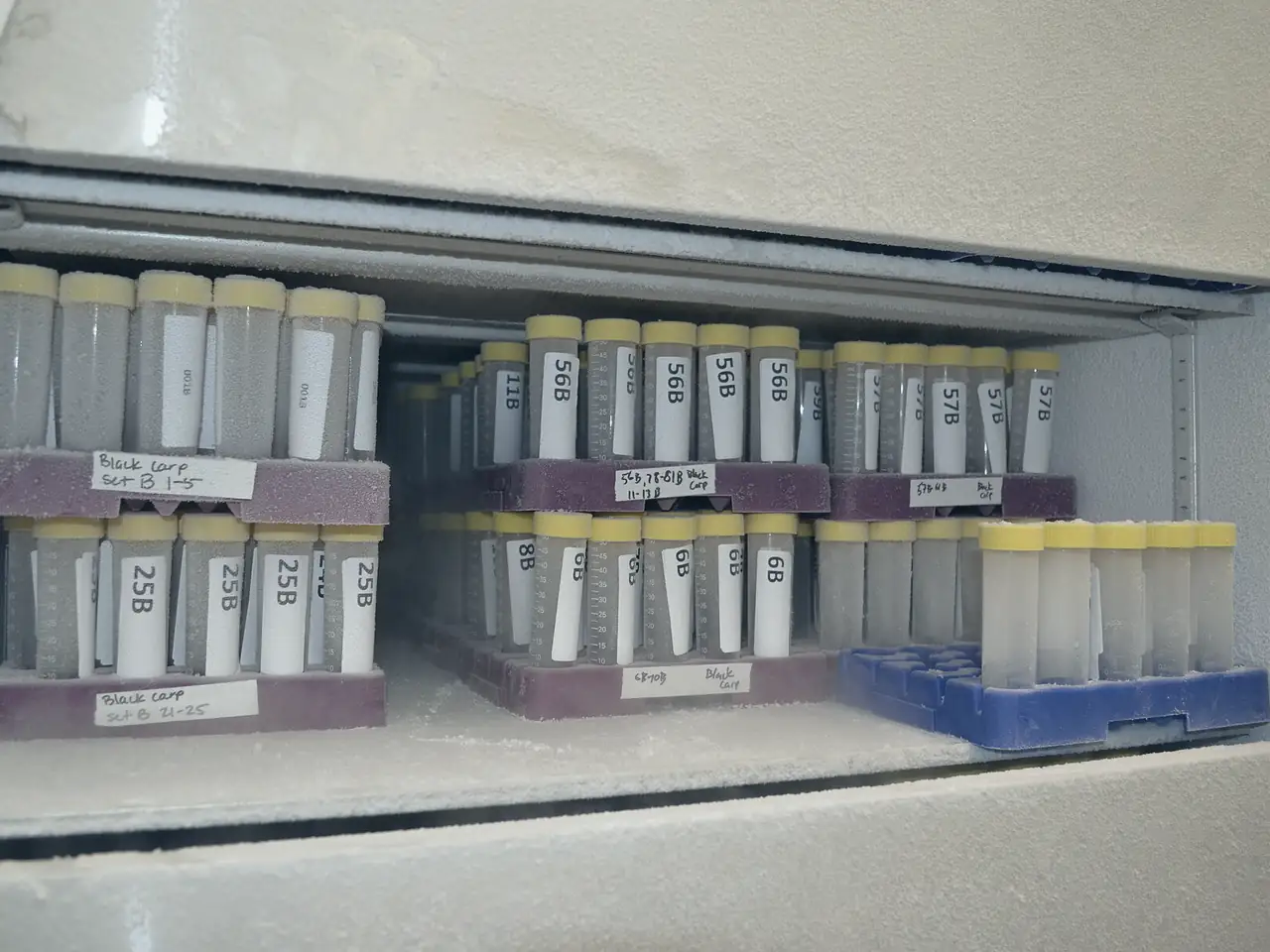
Send your samples
Email us the question. You get a design review, a fixed quote, a kit and a paid courier.
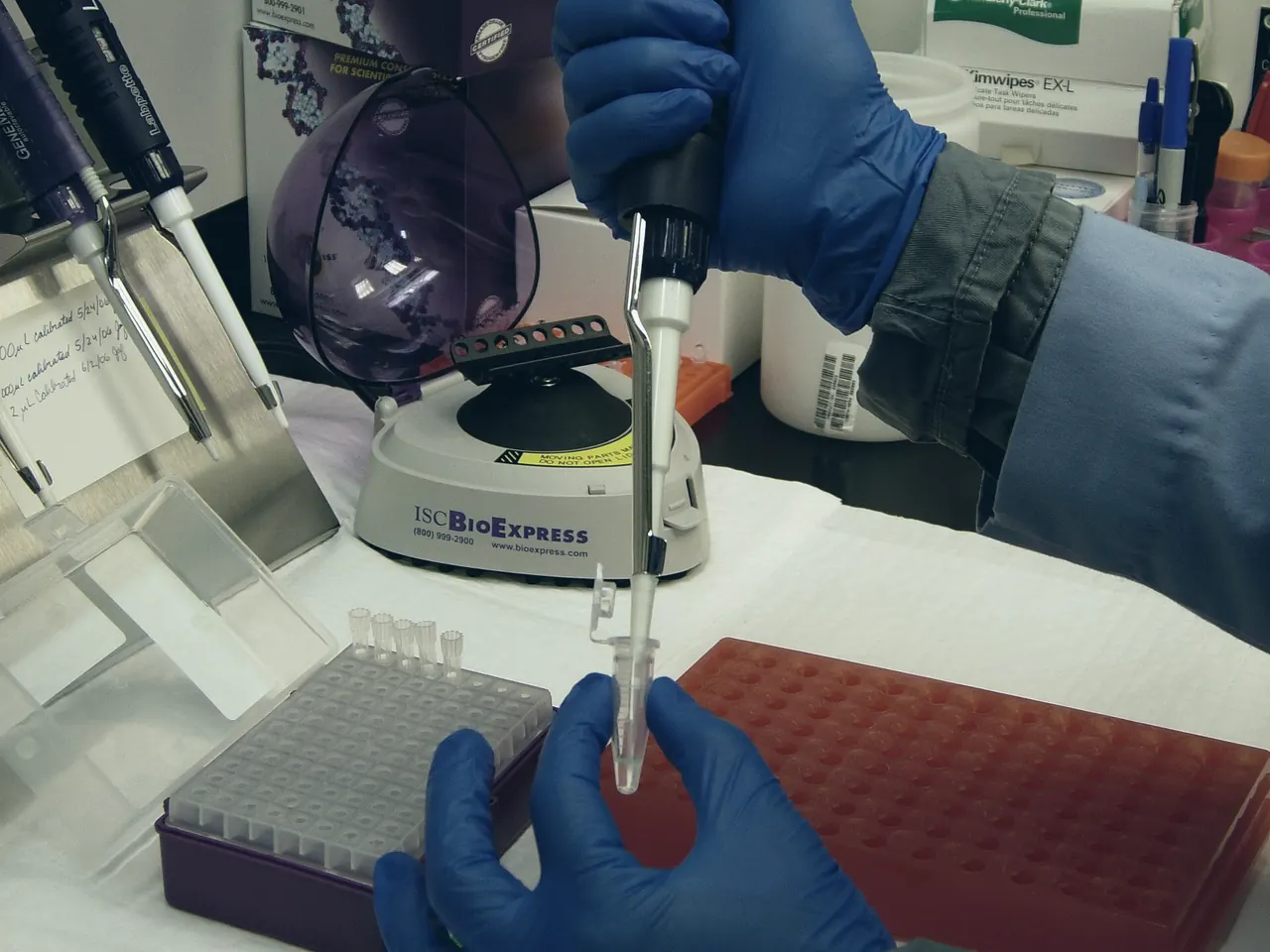
QC and library prep
Every sample is checked first. You see the QC result before library prep starts.
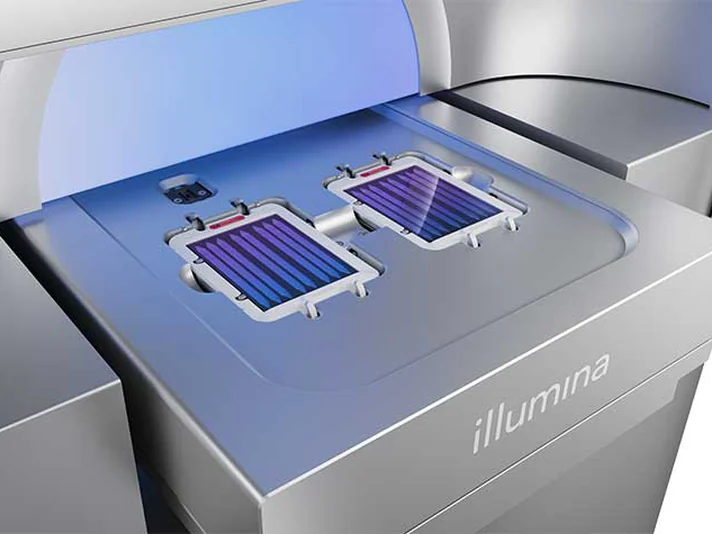
Sequencing
Illumina, Oxford Nanopore or PacBio, whichever fits your question.
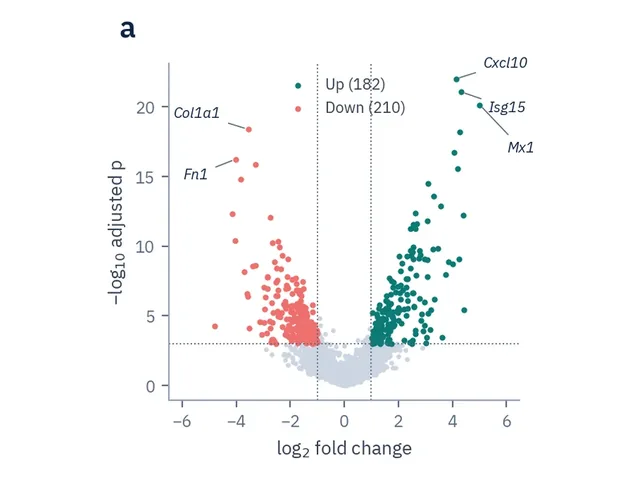
Answers you can publish
Figures, interpretation, a Methods section and a follow-up call.
A result, not a folder of files.
-
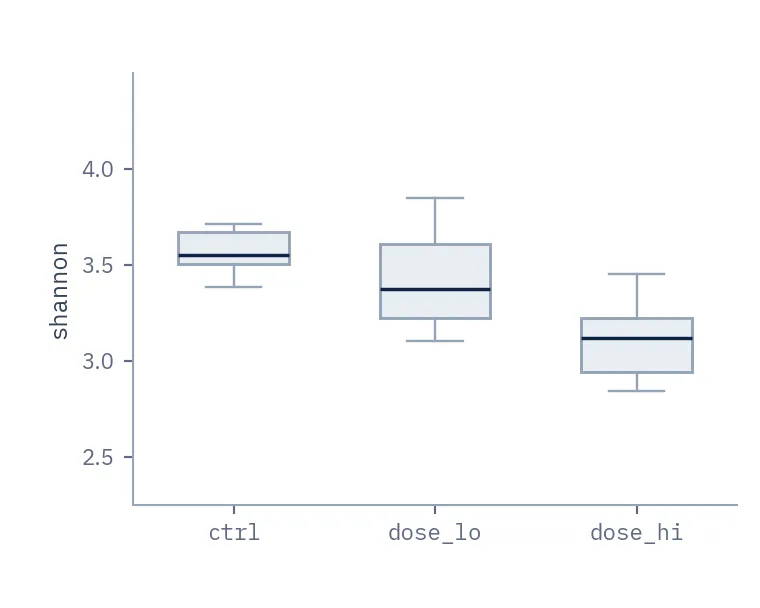
Raw data and a first analysis
We start from your sequencing data and the plan we agreed in the design call: your groups, your comparisons, your question.
-
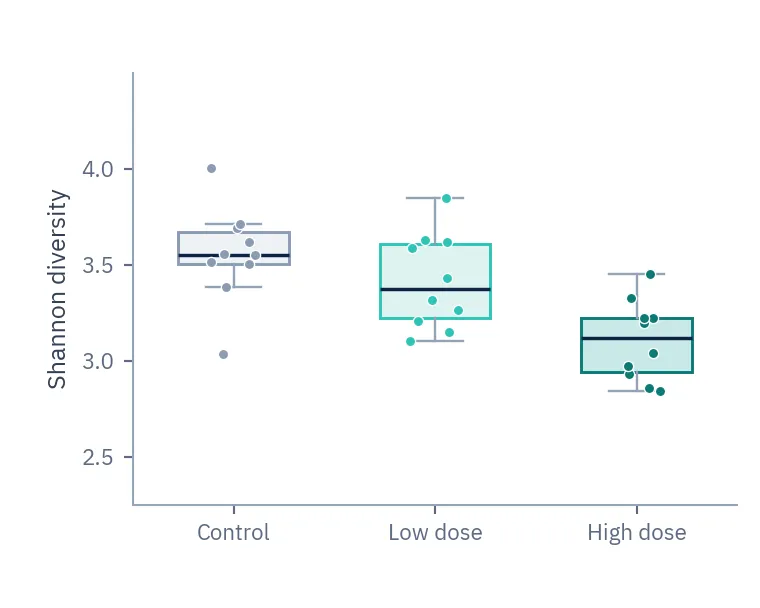
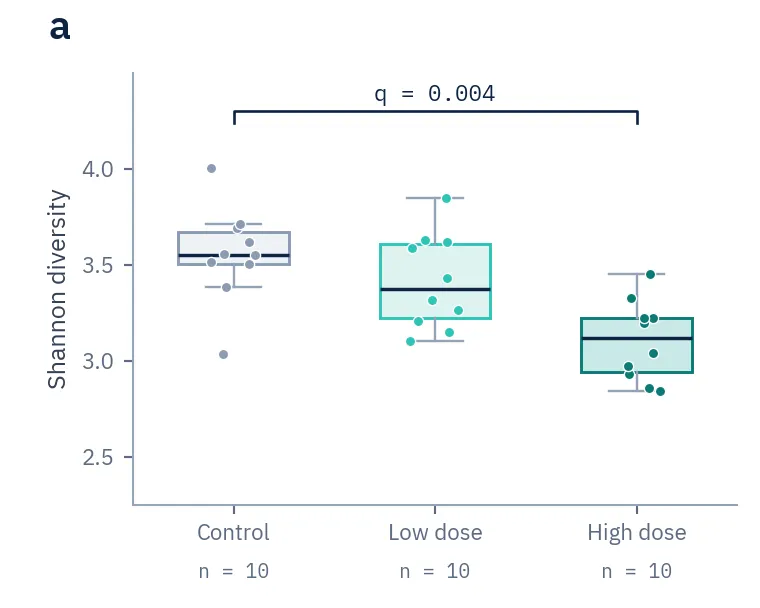 round 010203
Use our group names, and colour them
Add the statistics
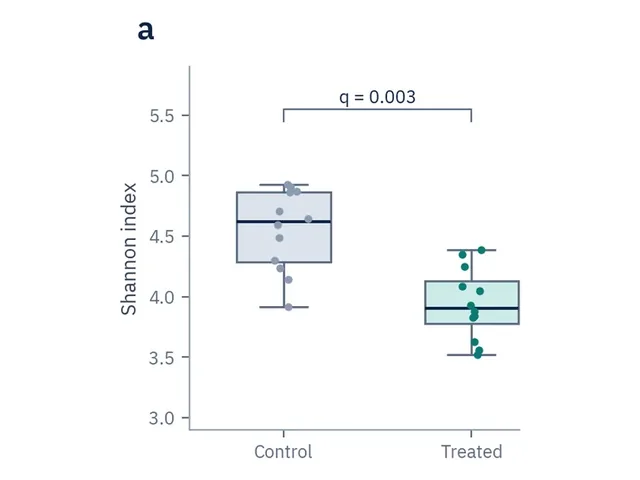
Perfect. That one goes in the paper
Rounds of changes with you
You look at the figures and tables and tell us what to change. We rerun the analysis and send them back.
As many rounds as you want -
Fig. 2 | Diversity by dose
Figures you can paste into the paper
The last round ends with publication-ready figures, tables and the matching Methods text. Take them out of the report and into your manuscript.
- Interpretation report
- Publication-ready figures
- Materials & Methods
- Results tables
- Raw and processed data
If something goes wrong, you pay €0 to fix it.
About 5.6% of samples need re-sequencing. Every one of those re-runs is paid by us, not by the researcher.
- No arguments
- No disputes
- No unexpected invoices
- Sample quality problemsWe troubleshoot, re-extract and re-ship€0.00
- Library prep failureFull redo€0.00
- Not enough sequencing depthImmediate resequencing€0.00
- Reviewer wants a different analysisCustom re-analysis€0.00
- Anything elseWe solve it. No arguments.€0.00
Covered by the 100% Complete Project Guarantee, in every project.
Start with your question. We match the method.
16S, ITS & 18S amplicon
Which microbes are there, and how do groups differ?
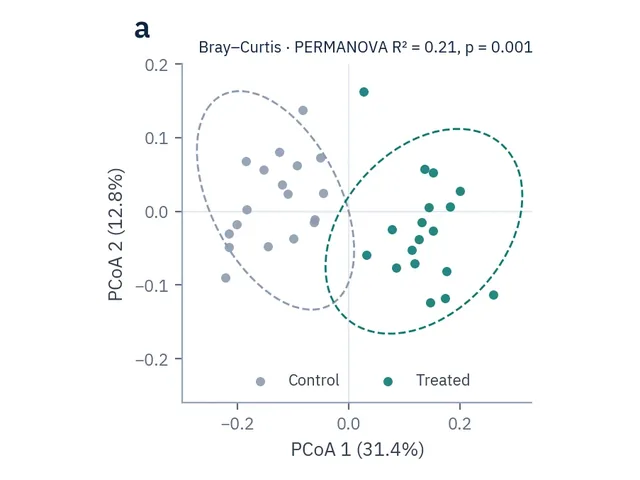
Shotgun metagenomics
Which species, strains and genes?
RNA sequencing
Which genes and pathways change?
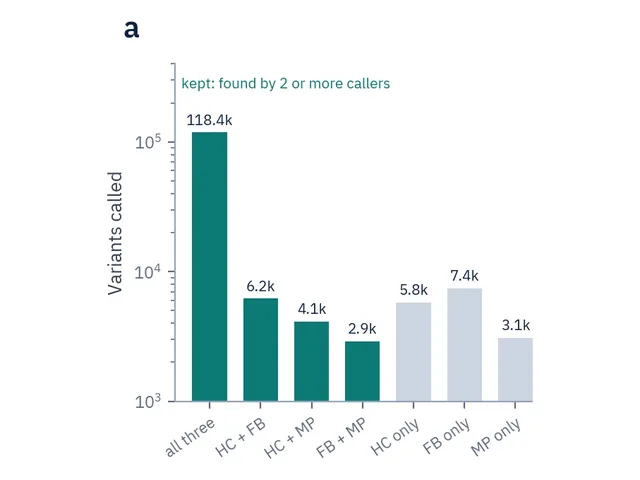
Whole genome & exome
Which variants, and which matter?
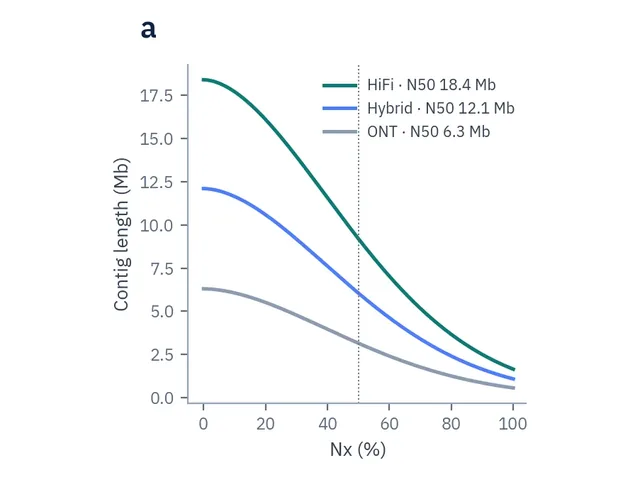
De novo assembly
A reference genome nobody has yet
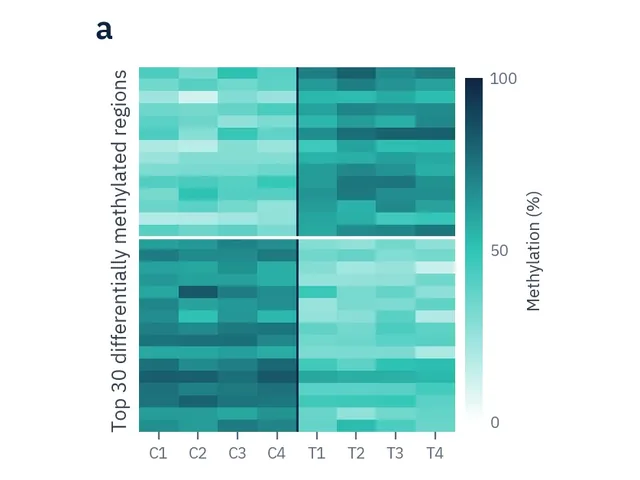
DNA methylation
Where does methylation differ?
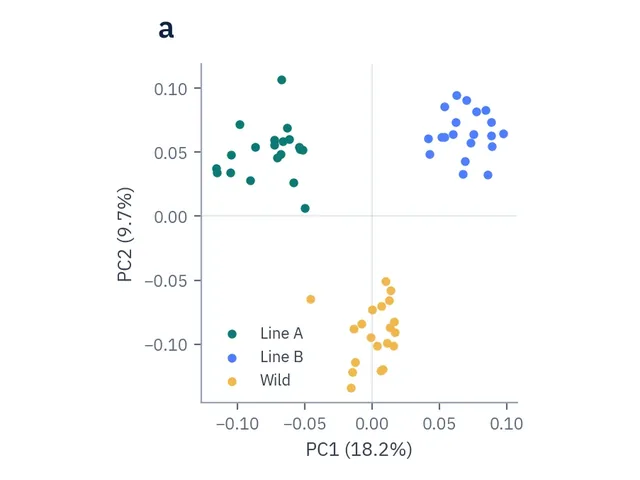
ddRAD & SNP genotyping
How are populations structured?
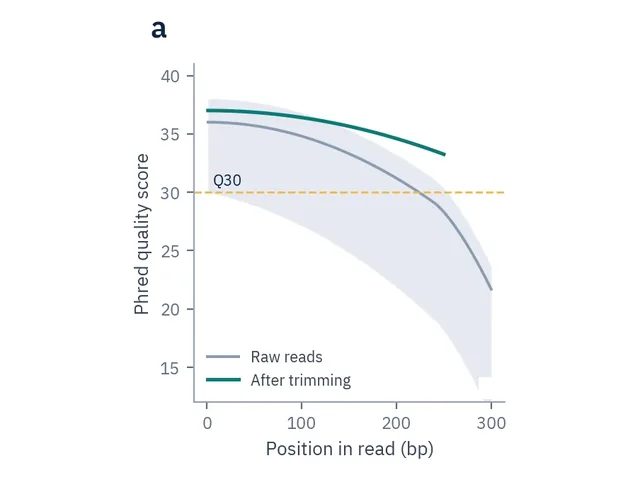
Bioinformatics only
You have the data, we find the answers
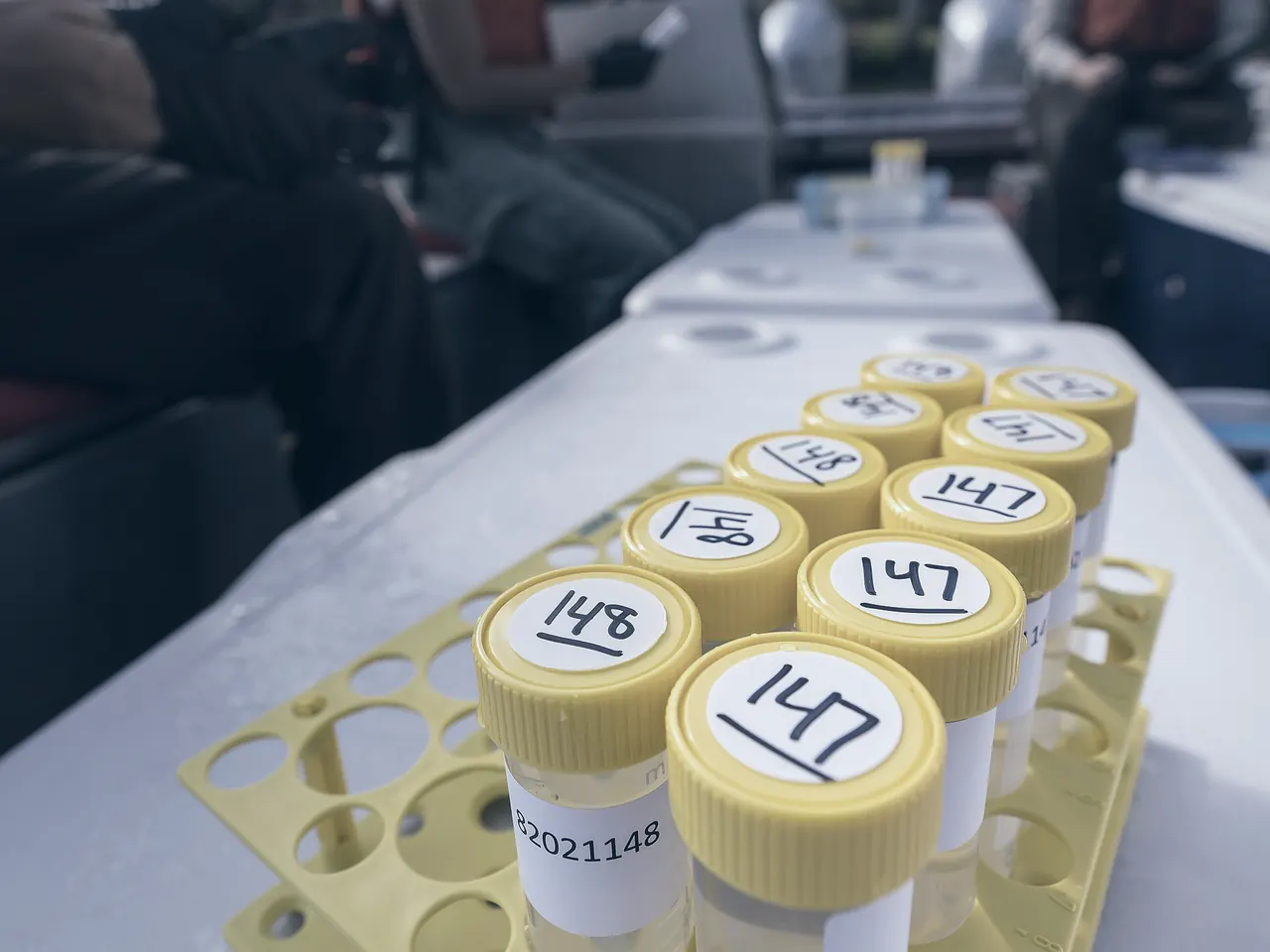
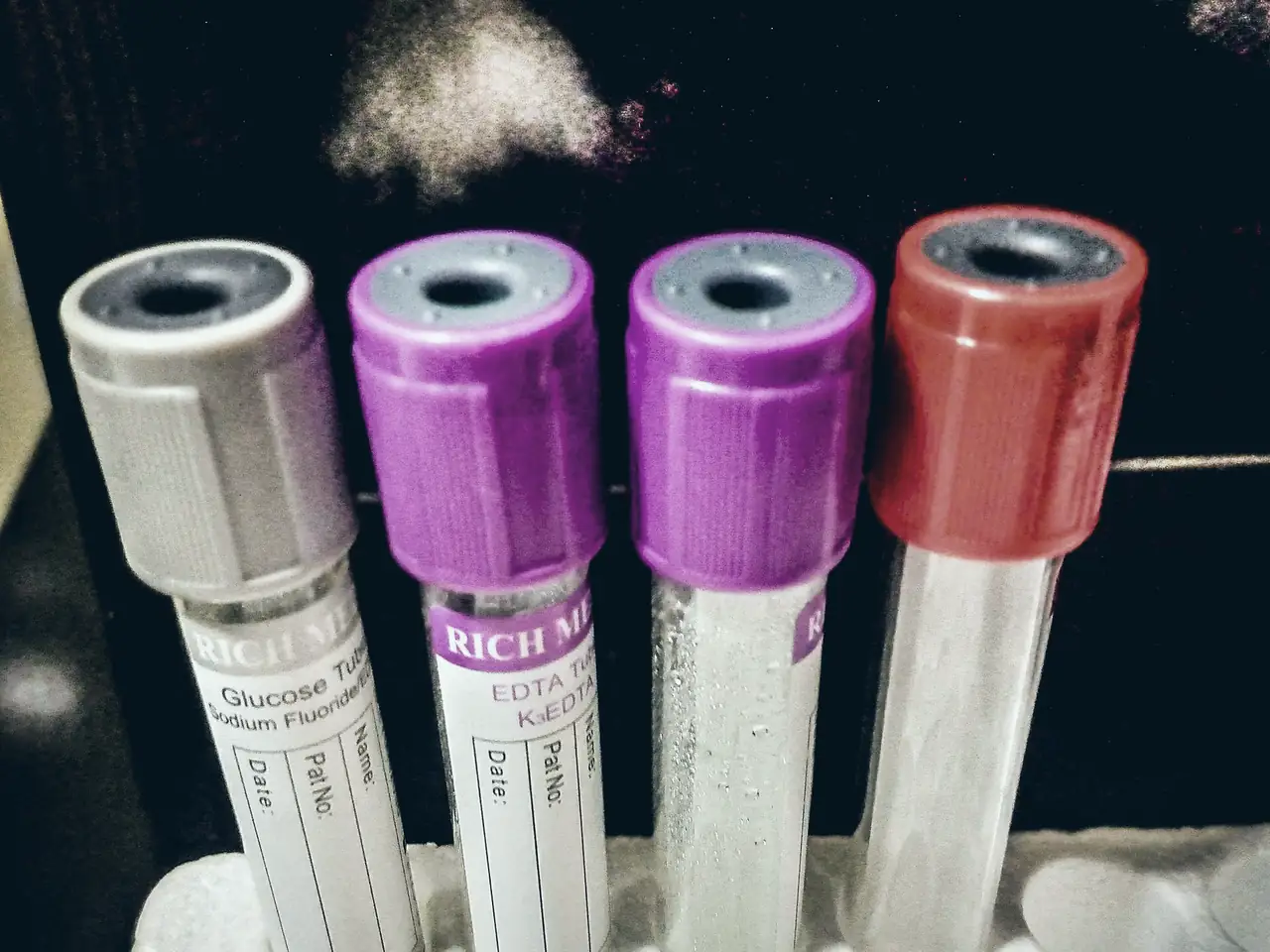
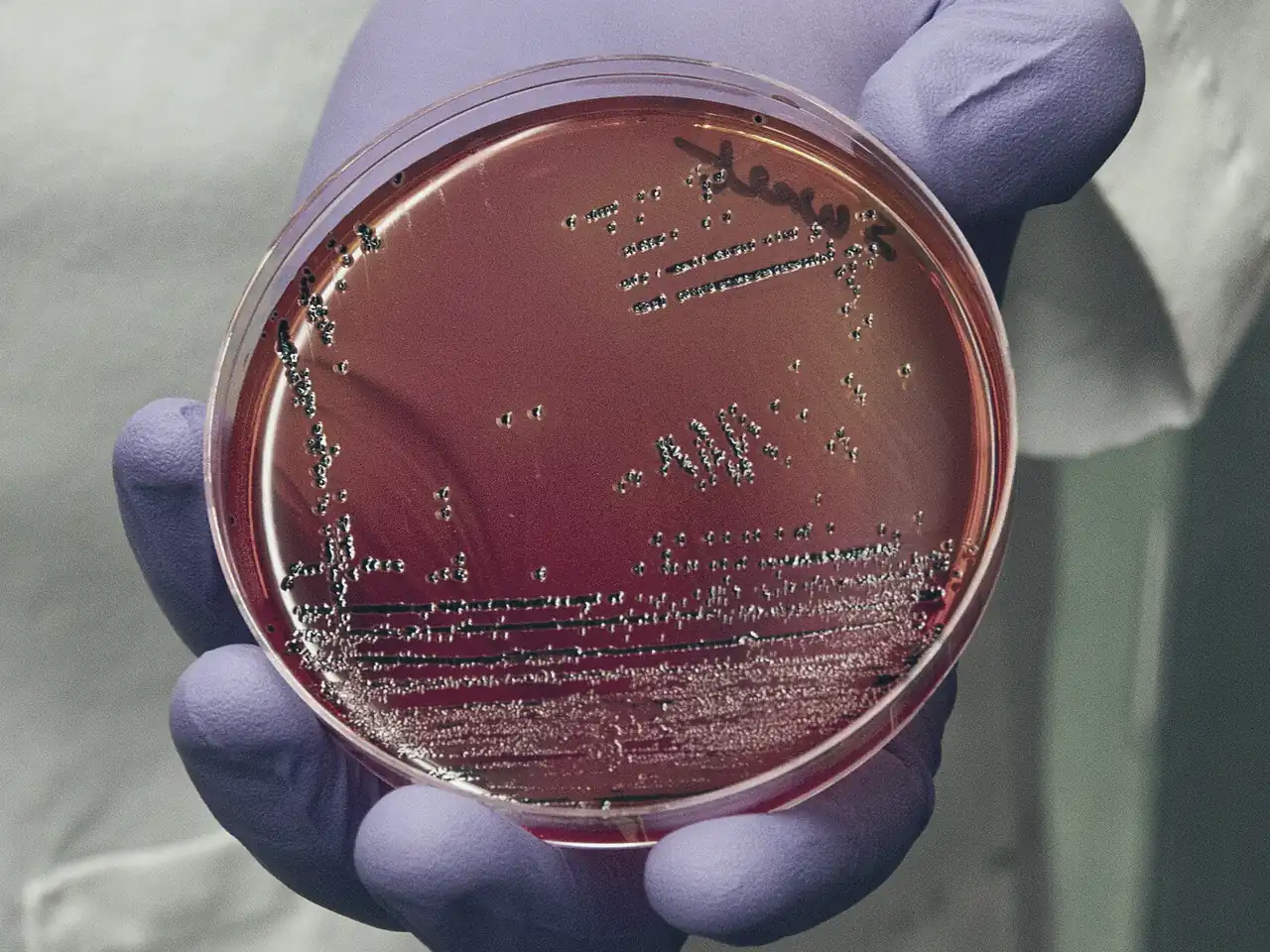
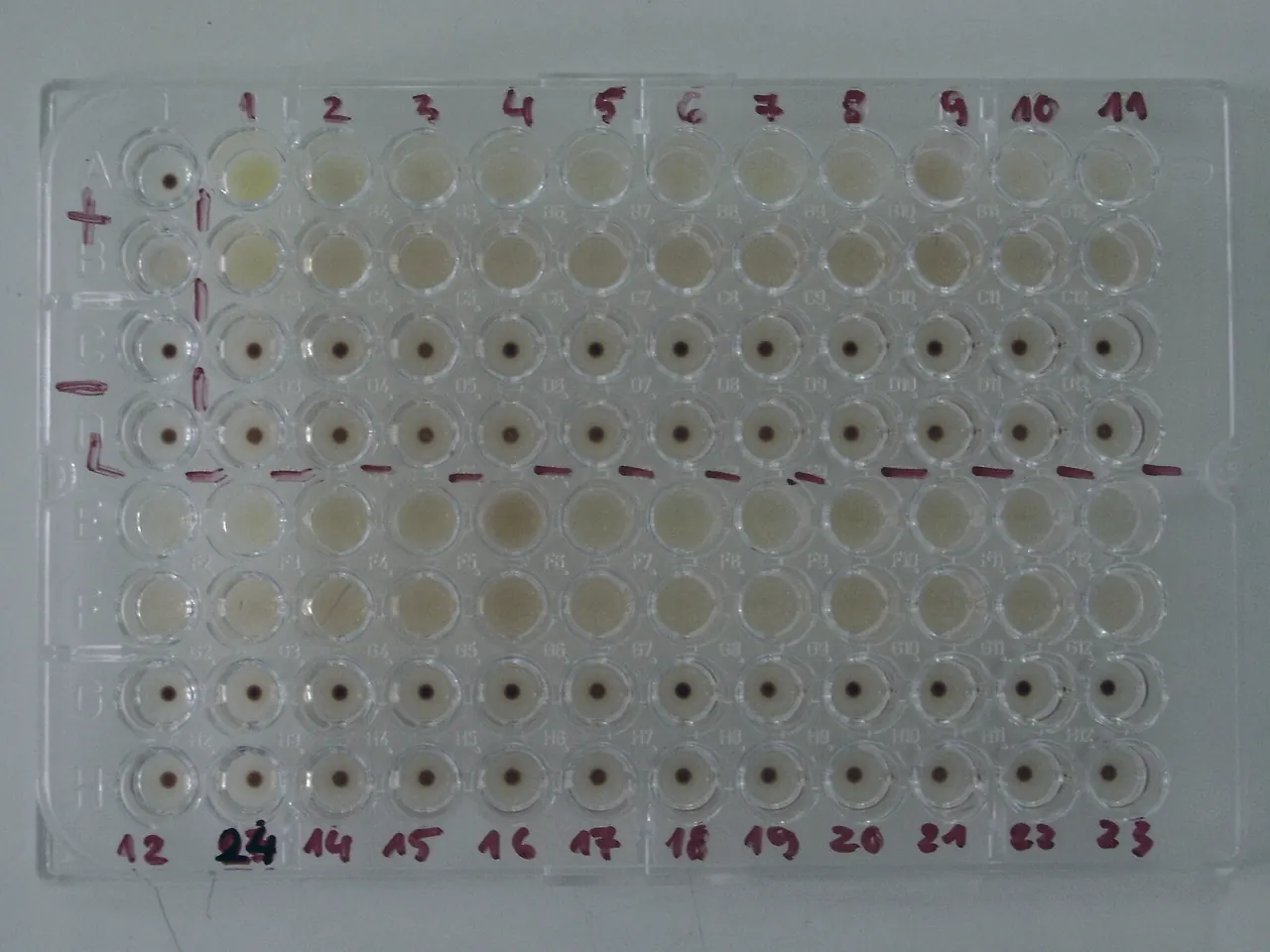
Low input, FFPE, low biomass: send them anyway.
Most samples we receive are below 1 ng/µL, and we sequence them.
- Low inputBelow 1 ng/µL is routine
- FFPEBlocks and slides, including tumour
- Low biomassRun with blanks and controls
- DegradedAncient-DNA-style extraction
What “whatever it takes” looks like.
-
Three purifications to get the melanin out
The DNA came out amber, with an A260/A230 of 0.6: melanin from the cuticle, which stalls the polymerase at library prep. We purified the same samples three times, moving from a silica column to CTAB with PVP to a bead cleanup with an inhibitor-removal step, until the ratio cleared 2.0 and the libraries behaved.
Purifications billed1 of 3 -
The reviewer wanted the scripts
A reviewer asked for the Python scripts behind the custom multi-omics bar plots, and for the pinned versions of every package they imported. We sent the scripts, the environment file, and the figures regenerated from scratch to show they came out identical.
Cost of the revision€0 -
Raw data asked for eighteen months later
A journal asked for the raw reads long after the project had closed. We still had the FASTQs, the sample sheet and the pipeline version that produced the results, and submitted them to ENA in time for the accession numbers to go into the paper.
Reconstruction neededNone
Based in Vienna, working with researchers across Europe, the USA and beyond.
What does a project cost?
Every project gets a fixed quote after the free design review. It covers sequencing, analysis, figures, the Methods text and the guarantee, so the quote is the invoice.
My samples are low input or degraded. Should I send them?
Yes. Most samples we receive are below 1 ng/µL, and our recovery pipelines save samples other labs discard.
Which sequencing platform will you use?
The one that fits your question. We run projects on Illumina, Oxford Nanopore and PacBio, and often price the same project on two platforms side by side.
Do I need a bioinformatician?
No. Custom analysis, figures and the Methods text are part of every project. If you have one, they get all results as tables and the processed data to work with.
Can you work with human and clinical samples?
Yes. We are an EU company, work under GDPR and sign a data processing agreement before any data moves.
I am outside the EU. Can you still take my samples?
Yes. We work with labs in the United States, across Europe and further afield. The shipping is our job rather than yours: the sample kit, the courier and the customs paperwork are organised and paid by us.
I already have data. Can you only do the analysis?
Yes. Bioinformatics only covers data you already have, from any provider or public archive.
This sounds too good to be true. What stops you putting the price up when something goes wrong?
The quote is the contract. The figure you sign is the figure we invoice, and the guarantee is a clause inside it, not a promise on a website. We can work that way because the design review comes first: by the time we price a project we know the sample type, the input amounts and the depth your question needs. The surprises after that are ours to absorb.
What is not covered?
Sequencing beyond what we agreed. If the project needs more sequencing than the quote describes, that is new work and we price it before starting. The bioinformatics has no such limit: new questions, extra analyses, a different way of looking at the same data, all of it sits inside the price you already paid.
Who decides the project is finished, you or me?
You do. The quote says what you will receive, and the project is finished when you have it and it does what we said it would. If you tell us it does not, that is a claim on the guarantee, not a negotiation.
What if my samples turn out to be beyond saving?
Then we tell you and stop, and you pay nothing for the attempt. If you can collect or produce the material again, we cover the shipping for the second attempt too, so trying twice costs you the sample and nothing else.
What if I do not like the figures?
Tell us what is wrong and we redo them. Figures are revised until they work for the paper you are writing, at no extra cost, and that includes changes a reviewer asks for months later.
Do I pay anything if the design review tells me not to sequence?
Nothing. The review is free, and it sometimes ends with us saying the experiment will not answer your question. That answer is worth more to you than a project we should not have sold.
What do I have to do, step by step?
Four things. Email a few lines about your project. Talk to a scientist on a short call. Approve the quote. Pack and ship the samples. After that, the next thing you do is read the results.
What tubes, what volume, what concentration?
The exact numbers come with your quote, because they differ by method. In general: low-bind tubes, labelled so the label survives a freezer, and never the last of a precious sample, so there is material left if anything needs repeating.
Can you extract from tissue, or must I send extracted DNA?
Either. Tissue, swabs, stool, blood, cells or extracted DNA and RNA all work. Extraction is part of the project, and the guarantee covers it when it has to be repeated.
What happens to my leftover sample?
We hold it until you sign the project off, in case anything needs repeating, then return or destroy it as you prefer. Tell us which when you ship.
What exactly do I receive at the end?
Figures at publication resolution, the tables behind them, the processed results, the raw reads, the code that produced it all, and a Materials and Methods paragraph written for your manuscript. Whatever else the paper or the grant needs comes with it: submission to the NCBI or ENA archives, the accession numbers, and the data management paperwork funders ask for.
Can you submit the data to ENA or SRA for me?
Yes. We prepare the metadata and submit it, so the accession numbers are in your hands when the manuscript needs them.
How long do you keep my data?
Thirty days after sign-off we delete everything, unless you ask us not to. If you ask, we keep your raw data and results for up to 5 years and support the project for all 5, free of charge. A reviewer’s question two years after delivery does not mean sequencing again, and re-running an analysis on data we already hold costs you nothing.
Who owns the data and the figures? Can I publish them?
You do, and yes. Your samples, your data, your figures, your results. We claim no rights over any of it and we do not reuse your data for anything.
My species has no reference genome. Can you still help?
Yes. We either build one or work without one: de novo assembly, reference-free variant calling and marker-based methods all work on species nobody has sequenced. The design review picks the route.
I only have two samples. Is that too small?
No. Small projects get the same design review, the same analysis and the same guarantee. We will tell you plainly if two samples cannot answer your question, before you spend anything.
Can you handle a thousand samples?
Yes, and above a certain size the price changes in your favour. Past 300 samples, or 900Gb of data, show us a quote for the project from any other sequencing provider and we come in 5% under it, with the bioinformatics, the 5 years of support and the project guarantee still included.
What do you mean you can run pre-experiments on my samples free of charge?
Exactly that. If you are not sure your samples qualify, we agree it on the first call: you ship them to our facility at no cost to you, and we run a full QC on them for nothing. The project only goes ahead if they qualify, or if our in house rescue pipelines can bring them back. If neither works, you have spent nothing and you know where you stand.
Start the project that ends in a paper.
One sentence will do. What the samples are and what you need to know. A scientist handles the rest.
- [email protected] Projects, samples and invoices
Start without committing to anything
- One sentence to start
- A short call to get the details
- A design, with the reasoning behind it
- Free shipping worldwide
- Free pre-analysis if you qualify
- Nothing starts until you agree